






What to know about access problems for Docklands rubbish jobs
Posted on 08/10/2026
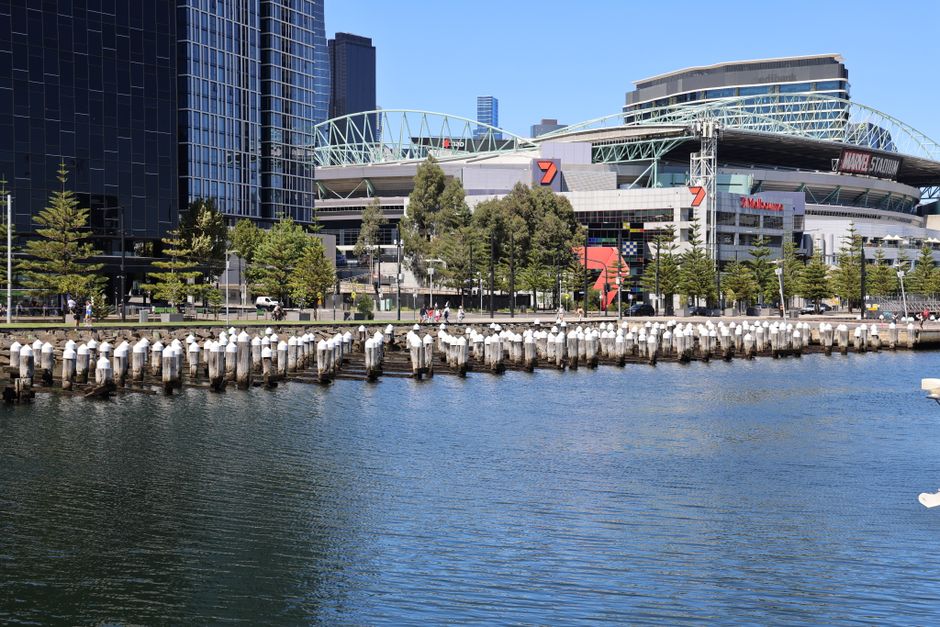
If you are dealing with a clear-out in Docklands, the job can look straightforward at first glance. Then the reality arrives: restricted parking, tight apartment entrances, lifts that seem to have a mind of their own, gated developments, and loading bays that are either booked or already full. That is where What to know about access problems for Docklands rubbish jobs really matters. Good rubbish removal in this part of East London is rarely just about lifting waste into a truck. It is about planning the route, checking permissions, and avoiding the sort of delay that turns a simple collection into a frustrating afternoon.
This guide explains the common access issues, why they matter, how crews usually work around them, and what you can do to make the process smoother. If you are arranging a flat clearance, office clearance, builders waste collection, or a one-off bulky item job, the details below will help you avoid the usual headaches. Truth be told, most access problems are manageable once you know what to look for.
And yes, sometimes the van is the easy part. It is everything around the van that causes the fuss.
- Why access problems matter in Docklands
- How rubbish jobs are handled when access is difficult
- Key benefits of planning access properly
- Who this is for and when it makes sense
- Step-by-step guidance
- Expert tips for better results
- Common mistakes to avoid
- Tools, resources and recommendations
- Law, compliance, standards and best practice
- Options and comparison table
- Case study or real-world example
- Practical checklist
- Conclusion
- Frequently asked questions
Why What to know about access problems for Docklands rubbish jobs Matters
Docklands is a mixed bag of developments, business spaces, older streets, waterside blocks, and modern apartment buildings. That mix is part of what makes the area lively, but it also means rubbish removal access can be awkward in ways that people do not always expect. You might have a lift, but it is shared. You might have parking, but only for permit holders. You might have a loading bay, but it is ten minutes from the entrance and already in use. Small details like that can affect timing, labour, and even whether a job can be completed on the first visit.
Access matters because it affects three things at once: cost, speed, and safety. When a team can park close to the property and move waste in one clean run, the job stays simple. When they have to carry waste through a long corridor, down several flights, or across a busy forecourt, the whole thing becomes slower and more physically demanding. That extra strain is not just a nuisance. It raises the chance of damage to walls, floors, doors, and lifts, which nobody wants.
There is also the customer side of it. If the access issue is not spotted early, you may be quoted for a straightforward collection and then discover on the day that it actually needs more time or more staff. Not ideal. To be fair, that is why a decent provider will ask questions up front rather than assume every Docklands property works the same way.
For many residents and businesses, the real problem is not the rubbish itself. It is the building rules around the rubbish. Managed estates, concierge systems, timed deliveries, and shared communal areas all need a bit of planning. If you live in a high-rise or run an office in a dense part of Docklands, this is just part of the game.
How What to know about access problems for Docklands rubbish jobs Works
In practical terms, handling access problems starts before the team arrives. A proper waste clearance provider will normally want to know where the property is, what kind of waste is being removed, whether there are stairs or a lift, and how close they can get a vehicle to the entrance. If the job is in a managed block, they may also need details about booking times, loading restrictions, concierge check-in, or fob access. Nothing fancy, just basic operational information that saves everyone a headache later.
The usual process is fairly simple:
- Initial assessment. You describe the property, waste type, and any access limitations.
- Planning. The team works out whether the job needs extra labour, a smaller vehicle, permit planning, or a different collection window.
- Arrival and check-in. On the day, the crew confirms the access route, parking position, lift use, and safest way to move items.
- Removal. Waste is carried out, loaded, and checked against what was agreed.
- Clear-up. The route is tidied, and any building rules around leaving areas clean are followed.
The important thing here is that access issues are usually logistical, not dramatic. Most can be solved with clear information and a bit of flexibility. For example, if a lift is too small for a bulky wardrobe, the crew may need to take it down stairs in pieces. If a service road is too tight for a larger vehicle, a smaller van or staged loading may be the answer. Simple on paper, slightly less simple in real life, but manageable.
In Docklands, a job can be affected by the time of day as much as the building itself. Mornings can be busy around commercial properties and commuter routes. Midday might be easier for some blocks. Evening work can help in some offices but may be restricted in residential developments. The best approach is to match the collection plan to the location rather than forcing the location to fit the plan.
Key Benefits and Practical Advantages
Planning around access problems is not just about avoiding hassle. It brings some real practical benefits that people notice straight away.
- Fewer delays. If the team knows about the lift, loading bay, or parking limit in advance, they can arrive ready instead of improvising.
- Lower risk of damage. Careful route planning reduces scuffed walls, chipped corners, and awkward manoeuvres in tight hallways.
- Better value. A job that is planned properly is less likely to run over or need a second trip.
- Less stress for residents and staff. Nobody likes watching rubbish pile up in a lobby while people argue about access codes.
- Cleaner compliance with building rules. Shared buildings often have strict expectations about where waste can be carried, parked, or temporarily held.
There is also a quieter benefit: confidence. When you know the access has been thought through, the whole job feels calmer. You are not waiting for some awkward surprise at the gate. You are not hoping the lift is free. You are not crossing your fingers that the van fits. It sounds minor, but in a place like Docklands, those little unknowns can chew up a lot of time.
Expert summary: good access planning is less about making the job complicated and more about removing friction. The best rubbish removals often look easy because somebody did the boring thinking beforehand.
Who This Is For and When It Makes Sense
This topic matters to a lot of people, not just landlords or building managers. If you are in Docklands and have any kind of waste to remove, access can influence how the job is handled.
Homeowners and tenants
If you are clearing a flat after a move, replacing furniture, or dealing with bulky items that will not fit in a standard car, access is usually the first thing that trips people up. Shared lifts, narrow hallways, and stair-only routes can turn a small job into a bigger one.
Landlords and letting agents
End-of-tenancy clearances often come with time pressure. If the building has rules about loading, concierge access, or parking permits, you need that information upfront. Otherwise the clean-up gets delayed just when the property needs to be turned around. Not fun.
Office managers and business owners
Office clearance in Docklands can be affected by trading hours, reception procedures, and building security. If you are removing desks, filing cabinets, screens, or old stock, you need to know whether the team can access loading areas during your preferred slot.
Builders and contractors
Builders waste removal is often the most access-sensitive job of all. Materials may need to come out through side paths, service entrances, or limited loading bays. If skips are not practical, a man-and-van style collection may be the better route.
Facilities teams and estate managers
If you oversee a managed building, you probably already know the pain of coordinating vehicles, keys, permits, and resident complaints. Access planning is not just useful. It is essential. A small mistake can ripple through the whole day.
If you want a broader look at how local waste services are structured, it can help to review a provider's services overview and, where needed, the specific pages for house clearance in Docklands or office clearance in Docklands. That gives you a clearer sense of how different job types are usually handled.
Step-by-Step Guidance
If you are arranging a rubbish job with awkward access, a little structure goes a long way. Here is the approach that tends to work best.
- Describe the site clearly. Mention whether it is a flat, office, maisonette, retail unit, or building site. Include floor level, lift size, stair access, and any gate or keypad entry.
- Check parking and loading rules. Docklands developments can be strict about where vehicles stop. If there is no easy kerbside access, say so early.
- Share the waste list. Sofas, mattresses, white goods, builders rubble, office furniture, and bagged mixed waste all behave differently on site. The shape matters as much as the weight.
- Ask about timing. If the building has a concierge slot, lift booking system, or restricted delivery window, make sure the collection fits it.
- Prepare the route. Move small items out of corridors, unlock doors if needed, and clear any fragile objects from the path. It sounds obvious, but people forget.
- Confirm the collection plan. Before anyone starts lifting, check that everyone agrees on the route, parking position, and what is being removed.
- Allow a bit of slack. Docklands traffic, shared loading bays, and busy buildings can create delays. A ten-minute buffer can save a lot of irritation.
One practical point that gets missed often: if waste has to be carried a long way, bundle items sensibly. Loose rubbish bags that split halfway down a corridor are nobody's idea of a good afternoon. Secure items where possible, and make sure heavier items are reachable without blocking access for other residents or staff.
For local jobs involving mixed waste or bulky items, many customers also find it useful to compare the kind of collection they need with options listed on rubbish removal in Docklands and waste clearance in Docklands. If the job includes renovation debris, the specific approach for builders waste disposal in Docklands may be more suitable.
Expert Tips for Better Results
After enough local collections, a few patterns become obvious. The jobs that go smoothly are rarely the ones with the least waste. They are the ones where the access details were handled early.
Tip 1: Think like the person carrying the items
Walk the route from the waste location to the vehicle. Look for tight corners, fire doors, low ceilings, and steps you may have stopped noticing because you pass them every day. If you would curse the route while carrying a heavy wardrobe, the team probably will too. Fair enough.
Tip 2: Book around building rhythm
Some buildings are busy in the morning, others at lunch, and some calm down only after commuters have cleared out. In Docklands, timing can make the difference between a clean collection and a wait at the door. A quieter slot can be worth more than you think.
Tip 3: Ask about vehicle size early
Not every access problem needs a bigger truck. Sometimes a smaller vehicle is the solution, especially where streets are narrow or parking is awkward. Other times, the access route is fine but the building layout means an extra hand is needed. Matching the vehicle to the site matters.
Tip 4: Keep contact details handy
If a concierge, estate office, or security desk needs to be called on arrival, make sure the crew has the right number. A five-minute delay trying to find the right person can snowball, especially if there is a loading window ticking down.
Tip 5: Don't hide the awkward bits
People sometimes downplay the issue. "It's only a couple of stairs." "The lift is usually fine." "Parking shouldn't be too bad." That sort of thing can backfire. Be upfront. It saves time, money, and a little bit of pride.
A small human note here: if you are dealing with a stressful clear-out, it can be a relief just to say, "Here is the problem." That alone often gets the job moving in the right direction.

Common Mistakes to Avoid
Access problems become expensive when they are not identified properly. These are the mistakes that cause the most trouble.
- Assuming the lift will be available. Shared lifts may be booked, too small, or out of service.
- Ignoring parking restrictions. A van parked "just for a minute" can still trigger complaints or penalties.
- Failing to mention stairs. Stairs change labour requirements and timing. Sometimes a lot.
- Not checking building rules. Managed properties may require advance notice, ID, or concierge sign-in.
- Underestimating bulky items. A sofa is never just a sofa once it reaches a narrow landing.
- Leaving the route cluttered. Shoes, plant pots, bins, and loose boxes create avoidable trip hazards.
- Booking too tightly. If your removal has to happen between two other appointments, you have very little room for the real world.
Another frequent issue is not thinking about return access. In some properties, getting waste out is only half the challenge. Getting the team, the vehicle, or the building permit back in later can be just as annoying. If the site is difficult, you want the whole sequence mapped out, not just the first ten minutes.
Tools, Resources and Recommendations
You do not need specialist equipment for every Docklands rubbish job, but a few practical tools and habits can make access issues much easier to manage.
| Tool or resource | Why it helps | Best used for |
|---|---|---|
| Measuring tape | Checks door widths, lift openings, and tight turning points | Bulky furniture, appliances, and office items |
| Phone photos or short videos | Gives the team a realistic view of the route before arrival | Flats, basements, and unusual building layouts |
| Building access instructions | Confirms entry codes, concierge steps, and loading rules | Managed estates and business premises |
| Item list | Helps estimate labour and vehicle needs | Mixed waste and clear-outs |
| Lift booking or permit confirmation | Prevents avoidable delays on the day | Residential blocks and shared developments |
If you are comparing service pages, it can also help to review the provider's information on house clearance, office clearance, and garden waste removal so you can match the job type to the access situation. A terrace with side access is not the same as a top-floor flat, and neither is the same as a service yard behind an office.
You may also want to look at the company's general guidance on insurance and safety, especially if the job involves awkward lifting, tight spaces, or shared common areas. That tends to be the page people skip until they need it. Then suddenly it matters a great deal.
Law, Compliance, Standards, or Best Practice
Access problems are not only a convenience issue. They can touch on safety, property rules, and waste handling responsibilities. Without getting overly legalistic, there are a few practical standards worth keeping in mind.
Building rules: Many Docklands developments have their own procedures for contractors, deliveries, and waste movement. That might include booking a lift, using a specific entrance, or not blocking communal areas. Following those rules is not optional in practice, even if they feel a bit fussy on the day.
Health and safety: Anyone moving bulky waste should take care with manual handling, trip hazards, and shared access spaces. Stairs, wet surfaces, and poor lighting are the classic trouble spots, especially in early morning or winter conditions.
Waste duty expectations: Responsible disposal means the waste should be taken away, handled properly, and directed to suitable facilities. If a provider seems vague about where items go or how materials are separated, that is worth questioning.
Insurance: It is sensible to ask whether a provider has cover for public liability and work carried out on site. You are not being awkward. You are being sensible.
Where possible, a good operator will also work in a way that respects neighbours and building users. That means not blocking exits, not leaving mess in shared hallways, and not turning a quiet corridor into a storage yard. Basic manners, really, but surprisingly important.
Options, Methods, or Comparison Table
Not every access problem needs the same solution. Sometimes the answer is simply better timing. Other times, the method matters more than the waste itself.
| Method | Best for | Pros | Limitations |
|---|---|---|---|
| Standard van collection | Reasonable kerb access and straightforward loading | Fast, simple, cost-effective | Not ideal for restricted streets or blocked entrances |
| Smaller vehicle access | Narrow roads, tight mews-style access, or limited parking | Easier to position, more flexible | May need more trips or more time |
| Staged carry-out | Buildings with long corridors or difficult internal routes | Works around awkward interiors | Requires more labour and planning |
| Timed booking with concierge support | Managed blocks and office premises | Reduces entry issues and waiting time | Depends on building cooperation |
| Pre-clearing items before arrival | Bulky flat clearances and cluttered rooms | Makes collection faster and safer | Takes effort from the customer first |
Which option is best? It depends on the site. That is the slightly boring but honest answer. A top-floor flat with a small lift and narrow landing usually needs a different approach from a ground-floor commercial unit with loading-bay access. Simple enough.
Case Study or Real-World Example
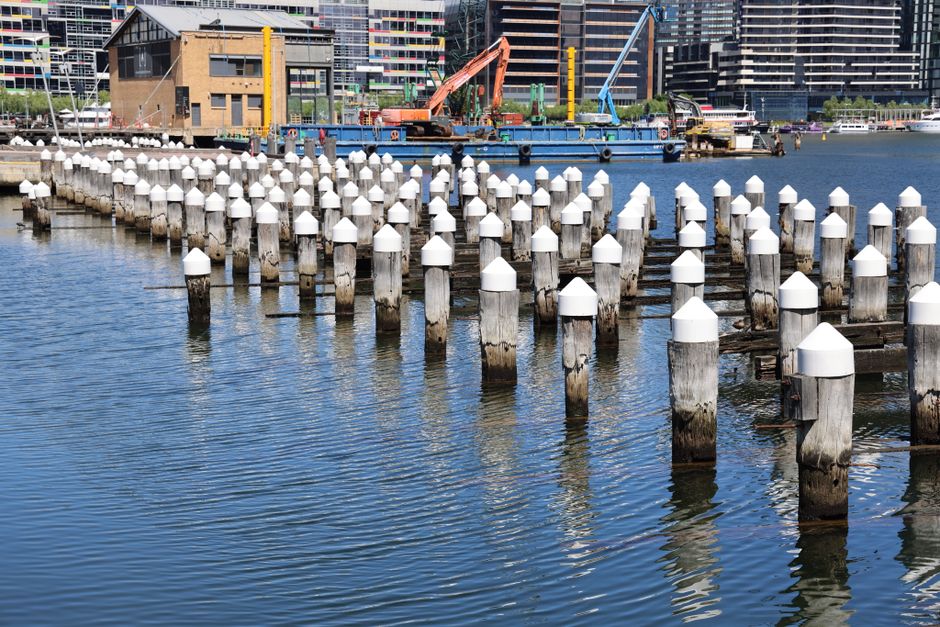
A fairly typical Docklands example goes like this. A resident in a modern apartment block wants a few old wardrobes, a sofa, and assorted bagged waste removed. On paper, it seems easy. The flat is not enormous, and the lift looks fine from the lobby. But then the details emerge: the lift is shared with other residents, the loading bay is booked for deliveries in the morning, and the building asks for contractor check-in at reception before any items are moved.
The first time someone tries to arrange that job without planning, it can get messy very quickly. The team arrives, waits for a callback, discovers the lift is already in use, and has to work around the building timetable. Suddenly the simple job takes longer, and everyone becomes a little less cheerful. You know the feeling.
Now compare that to a better-planned version. The resident sends photos of the items, confirms the floor level, shares the access instructions, and books the collection outside the delivery rush. The team arrives prepared, brings the right number of people, uses the correct route, and the job is finished without drama. Same waste. Same building. Very different outcome.
That is the whole point of understanding access problems in Docklands rubbish jobs. The waste is often the easy part. It is the building, timing, and route that decide whether the day runs smoothly.
Practical Checklist
Use this checklist before you book or confirm a collection. It keeps things sane.
- Have I described the property type clearly?
- Do I know whether there are stairs, a lift, or both?
- Have I checked parking, permits, or loading restrictions?
- Do I know if a concierge, security desk, or building office needs to be informed?
- Have I listed the items to be removed, including bulky pieces?
- Are there narrow halls, low ceilings, or tight corners on the route?
- Is the access route free from clutter and trip hazards?
- Have I chosen a time that fits the building's quieter periods?
- Do I need help with builders waste, office furniture, or household items specifically?
- Have I confirmed any safety or insurance questions that matter to the site?
If you can tick most of those off, you are already ahead of the curve. And honestly, that small bit of preparation is often what separates a smooth clearance from a day full of awkward phone calls.
Get a free quote today and see how much you can save.
Conclusion
Docklands rubbish jobs are often perfectly manageable, but access can make or break the experience. Parking, lifts, permits, loading bays, corridors, and building rules all matter more than people first expect. Once you think through those details, though, the whole process becomes much easier to handle.
The key is simple: share the awkward bits early, plan the route properly, and choose a collection method that suits the property instead of hoping the property will suit the collection. That mindset saves time, reduces stress, and helps avoid those last-minute surprises that nobody enjoys.
If you are preparing a rubbish removal, waste clearance, or flat clear-out in Docklands, a little access planning now will almost always pay off later. Small effort, big difference. That is usually how the best jobs go.


 Tipper Van - Rubbish Collection and Rubbish Removal Prices in Docklands, SE16
 Luton Van - Rubbish Collection and Rubbish Removal Prices in Docklands, SE16