






Rubbish collection Limehouse Basin Docklands households E14
Posted on 30/06/2026
Rubbish collection Limehouse Basin Docklands households E14: a practical local guide for cleaner, easier home clearances
If you live near Limehouse Basin, you already know the pace of the area can be a little unusual: waterside blocks, busy apartment entrances, tight parking, lifts that seem to have a mind of their own, and the occasional pile of unwanted stuff that appears after a move, a refurb, or a ruthless Sunday clear-out. That is exactly why Rubbish collection Limehouse Basin Docklands households E14 matters. It is not just about "taking things away". It is about making household waste disappear without stress, avoiding missed collections, keeping shared spaces tidy, and handling disposal in a way that feels properly managed.
This guide breaks down how rubbish collection works for E14 households around Limehouse Basin, what to expect, how to choose the right approach, and the common mistakes that turn a simple job into a headache. If you want a calmer, cleaner home and fewer awkward bin-store moments, you are in the right place.
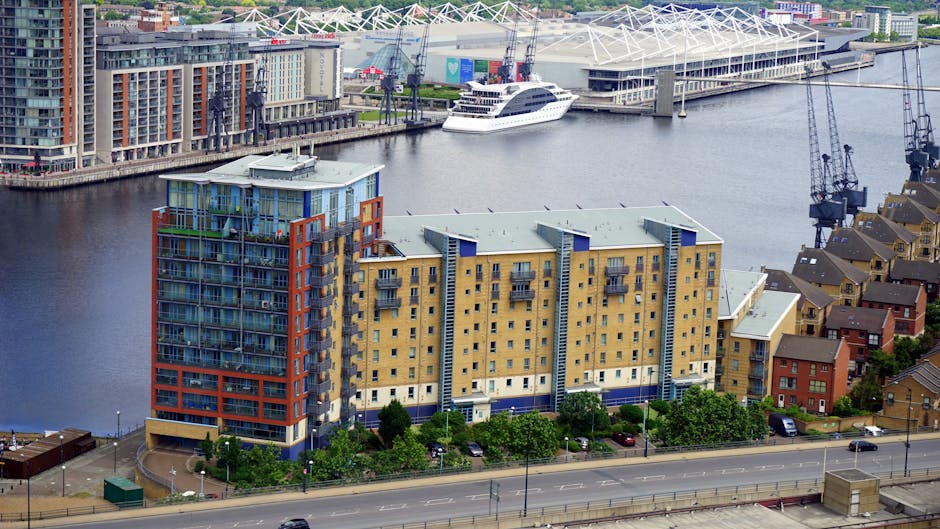
Why Rubbish collection Limehouse Basin Docklands households E14 Matters
Limehouse Basin is a compact, highly lived-in part of Docklands, and that creates very specific waste challenges. Flats tend to produce different rubbish patterns than houses: packaging from online shopping, broken small appliances, old furniture that has nowhere sensible to sit, and bags of mixed waste after a declutter or tenant changeover. Add shared entrances, concierge rules, and limited curb space, and even a few black bags can become a nuisance fast.
For households in E14, good rubbish collection is not only about convenience. It protects communal hygiene, keeps fire routes clear, reduces complaints between neighbours, and stops waste from becoming a visual eyesore. Truth be told, one overloaded bin store can sour a whole block's mood by Monday morning. Nobody wants that.
It also helps when you are dealing with life changes. A house move, a bereavement, the end of a tenancy, or a long-overdue clear-out often leaves more waste than a regular council collection can comfortably absorb. In those moments, a well-organised collection service becomes less of a luxury and more of a practical solution.
For wider context on local living patterns in the area, the guide to Docklands living experience from a local perspective gives a useful sense of how homes, blocks, and routines differ across the neighbourhood.
Expert summary: The smartest rubbish collection for Limehouse Basin households is usually the one that matches your property type, volume of waste, access restrictions, and timing. Fast is good. Organised is better.
How Rubbish collection Limehouse Basin Docklands households E14 Works
At a practical level, rubbish collection usually starts with identifying what needs removing, how much there is, and whether anything requires special handling. That sounds simple, but it is where most smooth jobs are won or lost. A sofa, two mattresses, mixed bags, and some renovation offcuts are not the same as a few unwanted boxes. The more clearly the load is described upfront, the easier it is to plan.
For households in Limehouse Basin, access often matters just as much as volume. Lift access, loading bays, concierge arrangements, basement storage, narrow corridors, and resident permits all affect how collection is handled. If you have ever tried moving a heavy wardrobe down a stairwell while apologising to three neighbours, you will understand why planning matters. Let's face it, not every home clearance is a tidy straight line from room to van.
Typical collection steps often look like this:
- Assessment: You identify the items, estimate the volume, and note any awkward access.
- Scheduling: A collection time is chosen to suit your home, building rules, and your availability.
- Arrival and loading: Items are removed carefully from the property or collection point.
- Sorting: Reusable, recyclable, and general waste are separated where possible.
- Responsible disposal: Materials are sent to the appropriate facility or onward processing stream.
If the job involves broader household waste or a mix of bulky and loose items, many residents also compare options with a general rubbish removal Docklands service or a broader waste clearance Docklands approach, depending on what actually needs shifting.
And there is one more thing: in apartment-heavy areas like E14, the best collections are often the ones that work quietly in the background. No fuss at the lift, no trail of debris in the corridor, no "we'll come back later" drama.
Key Benefits and Practical Advantages
There are several reasons households in Limehouse Basin prefer organised rubbish collection rather than letting waste build up or trying to handle it piecemeal.
- Less clutter, faster: You clear space quickly without waiting for bins to slowly catch up.
- Better for shared buildings: Communal areas stay cleaner and more pleasant for everyone.
- Suitable for bulky items: Things like wardrobes, mattresses, broken chairs, and white goods are dealt with properly.
- Useful during transitions: Ideal for moving house, redecoration, or clearing a storage cupboard that has become a graveyard of old cables.
- More predictable than ad hoc disposal: You know when the waste will be gone, rather than hoping for the best.
- Can support recycling: A careful collector can separate out more recyclable material than a rushed self-dump.
For some households, the biggest benefit is emotional rather than practical. A clear room can make a flat feel bigger, lighter, and calmer almost immediately. You notice it at once, especially in the evening when the light drops over the basin and the flat feels a bit quieter. Space changes the mood. It really does.
If your main concern is sustainable disposal, it is worth reading the site's recycling and sustainability guidance alongside your collection plan. Small decisions add up.
Who This Is For and When It Makes Sense
This kind of rubbish collection is a strong fit for a wide range of E14 households, not just the people with obvious piles of waste on the landing. In practice, it suits:
- flat owners doing a seasonal declutter
- tenants ending a tenancy and clearing personal items
- landlords preparing a property between lets
- families replacing furniture or appliances
- households recovering from a refurbishment
- people dealing with inherited possessions or a sensitive clearance
It also makes sense when ordinary bin collections are not enough. Perhaps you have got a bulky wardrobe you have been looking at for three weeks and avoiding. Perhaps the bin store is already full. Perhaps you need the job done before guests arrive, or before a photographer comes round after a sale.
Homeowners preparing a move may also find the local article on buying and selling real estate in Docklands helpful, because timing clear-outs around completions and viewings can make a big difference. A clutter-free home photographs better, feels larger, and tends to be easier to live in during the final stretch.
Not every job needs a full-scale clearance, of course. Sometimes a handful of items is all you need. But if the waste is getting in your way, that is usually the sign to act sooner rather than later.
Step-by-Step Guidance
If you want the process to feel straightforward, it helps to break it down. A tidy plan saves time, reduces mistakes, and prevents the classic "Oh, we forgot about the storage cupboard" moment.
1. Make a clear inventory
Walk through the property and note exactly what needs removing. Separate it into broad groups: general household rubbish, furniture, electrical items, garden waste if relevant, and anything potentially hazardous. A quick phone photo is often enough to get organised.
2. Decide what stays and what goes
Be decisive. If you are hesitating over ten-year-old storage boxes, ask whether you have used anything inside them in the last year. If the answer is no, there is a fair chance they are just taking up oxygen.
3. Check access and timing
For Limehouse Basin homes, this is a big one. Think about lift bookings, entrance codes, parking restrictions, loading access, and whether neighbours may be affected by the collection window. A smooth arrival can save a surprising amount of hassle.
4. Flag anything unusual
Batteries, paint tins, chemicals, broken glass, large mirrors, or sharp materials may need special care. Better to mention them in advance than to discover the hard way that they need different handling.
5. Match the service to the load
If you only have a few bags, a lighter collection may be enough. If the property needs a deeper reset, a larger clearance is usually more practical. The point is not to overbook, but to avoid underestimating the job.
6. Prepare the area
Move items away from tight corners where possible, clear hallways, and make doors easy to open. In apartments, even a little preparation makes the removal quicker and cleaner.
7. Confirm disposal expectations
Ask how reusable or recyclable materials are handled. You do not need every technical detail, but it is sensible to know whether the approach aligns with your own standards.
Expert Tips for Better Results
There are a few habits that make household rubbish collection much less stressful. None of them are dramatic. They are just the sort of things that experienced locals quietly do because they work.
- Don't wait until the pile becomes unmanageable. Small, regular clear-outs are easier than one huge rescue mission.
- Use one holding area. Pick a corner or room for items to be collected so nothing gets forgotten.
- Label mixed piles if needed. "Recycling", "electricals", or "keep" can stop family members from guessing badly.
- Photograph awkward items. A picture of a sofa, mattress, or broken cabinet helps avoid confusion.
- Keep neighbours in mind. In shared buildings, a bit of courtesy goes a long way.
- Ask about recycling routes. Even a basic explanation is a good sign that waste is being handled thoughtfully.
A small practical aside: if you are clearing out after a delivery spree, keep the packaging separate. Cardboard, polystyrene, and mixed plastics are easier to deal with when they are not tangled up with old household junk.
And if the job is linked to a renovation or a wider property refresh, the page on builders waste disposal in Docklands may be relevant. Renovation waste has a different shape to ordinary household rubbish, so it is worth treating it as its own category.

Common Mistakes to Avoid
Most rubbish collection problems are avoidable. The trick is spotting the pattern early.
- Underestimating volume: Those "few bits" can become a van-filling load very quickly.
- Mixing everything together: Clean segregation is not always required, but a little sorting helps.
- Ignoring building rules: Some developments have strict access, loading, or booking requirements.
- Leaving the job too late: Last-minute clearances are always more stressful, and usually less elegant.
- Forgetting awkward waste: Bulky or unusual items can change the plan.
- Choosing on speed alone: Fast is nice, but reliability and proper handling matter more.
Another common mistake is assuming every collection is the same. It is not. A one-bedroom flat in Limehouse Basin, a larger maisonette, and a refurbished rental property all need slightly different handling. The details matter more than people think.
Tools, Resources and Recommendations
You do not need a specialist toolkit to organise a collection, but a few simple resources make life easier.
- Phone camera: Useful for photographing waste types and awkward access points.
- Basic room-by-room notes: A simple list is enough to keep the job focused.
- Household labels or tape: Handy if you are separating items for donation, recycling, or disposal.
- Measuring tape: Worth having if you are dealing with large furniture or tight doors.
- Calendar reminder: Especially useful if access needs booking or if the job is tied to a move-out date.
For broader service planning, the site's services overview gives a neat way to understand the range of collection and clearance options available. If you are deciding between a more targeted job and a larger clear-out, that context helps.
You may also find the pricing and quotes page useful when you are comparing what is included and what kind of job you actually need. Good quotes tend to be clearer than vague promises. Funny that.
Law, Compliance, Standards, or Best Practice
Household rubbish collection in London should always be approached with care around lawful disposal and environmental responsibility. Without getting overly technical, the key principle is simple: waste should go to the right place, and any collector handling it should do so responsibly.
For homeowners and tenants, that means being cautious about who removes your waste, especially if the price looks suspiciously cheap. If waste is fly-tipped later, the reputational and practical fallout can be unpleasant. You do not want your old sofa turning up somewhere it absolutely should not. Nobody does.
Best practice usually includes:
- clear identification of waste types before collection
- safe handling of bulky items and sharps
- separation of recyclable materials where possible
- careful attention to building access and resident safety
- proper documentation and lawful disposal routes by the provider
Safety matters too. If you are dealing with broken furniture, heavy items, or anything that could injure someone during lifting, it is sensible to treat the job as a manual-handling task rather than a casual tidy-up. The site's insurance and safety information is worth reviewing if you want reassurance about that side of the process.
On the trust side, good businesses are usually transparent about who they are and how they work, and they should be comfortable explaining their collection process in plain English. If the explanation feels evasive, that is a sign to slow down.
Options, Methods, or Comparison Table
Households in Limehouse Basin usually have a few sensible ways to deal with unwanted items. The best one depends on speed, waste type, volume, and how much effort you want to put in. Here is a straightforward comparison.
| Method | Best for | Pros | Watch-outs |
|---|---|---|---|
| Regular council-style disposal | Small, routine household waste | Simple for everyday rubbish | Not ideal for bulky items or mixed loads |
| DIY disposal | People with time, transport, and energy | Full control over the process | Parking, lifting, and multiple trips can be tiring |
| Targeted rubbish collection | Specific items or moderate loads | Quick, practical, and less disruptive | Needs clear communication about access and volume |
| Full household clearance | Moves, bereavements, or major declutters | Comprehensive and efficient | More planning needed, especially in flats |
In many Limehouse Basin homes, targeted collection is the sweet spot. It gives you enough support without turning a simple job into a full-scale project. If you only have a handful of things, great. If you are staring at a room that has quietly become a storage depot, a broader clearance may be more sensible.
For deeper residential clean-outs, house clearance in Docklands is the more complete option. If the items are mainly post-project debris rather than general household clutter, the builders' route may fit better. Context decides.
Case Study or Real-World Example
Picture a Limehouse Basin flat in early autumn. Not a dramatic scene. Just a normal one-bedroom apartment with a hallway that has slowly collected two broken dining chairs, a sagging office desk, four bags of mixed clutter, a box of kitchen gadgets, and a mattress that has been sitting awkwardly near the bedroom door for far too long.
The resident had planned to sort it over "a few weekends", which, as we all know, can turn into several months. A few online deliveries later, the storage cupboard was also overflowing. By the time the collection was arranged, the main challenge was no longer the volume itself. It was access and organisation.
The useful part of the solution was simple: everything was grouped in one place, the building access details were checked in advance, and the bulky pieces were ready to move without guesswork. The flat felt transformed in less than a day. Not glamorous, perhaps, but deeply satisfying. You could hear the space again. That sort of calm is hard to describe until you have felt it.
If the same household had tried to manage the whole thing through ad hoc bin trips, it would likely have taken longer, created more disruption, and possibly annoyed everyone in the building. Sometimes the boring option is actually the smarter one.
Practical Checklist
Use this before arranging rubbish collection for your Limehouse Basin home:
- List every item or waste category that needs removing
- Check whether anything is fragile, heavy, sharp, or unusual
- Confirm lift, stair, and parking access
- Group items in one easy-to-reach location if possible
- Separate anything you may want to keep, donate, or recycle
- Take photos of bulky items or awkward access points
- Make sure someone can provide entry if required
- Choose a time that does not clash with neighbours, work calls, or building rules
- Ask how mixed waste and recyclable materials are handled
- Review the provider's service and safety information before booking
If you are comparing similar services or trying to understand how collection fits into a broader plan, it may help to read the site's recycling and sustainability page and the payment and security guidance as well. Small checks now can save you from awkward surprises later.
Conclusion
For households in Limehouse Basin, rubbish collection is really about restoring order without adding pressure. The right approach keeps shared spaces clear, reduces stress, and makes home life feel lighter. Whether you are clearing after a move, dealing with bulky items, or simply tired of living around things you no longer need, a well-planned collection can make a big difference.
Keep it simple: know what needs removing, check your access, match the method to the load, and choose a responsible provider. That is the formula. Not flashy, just effective.
Get a free quote today and see how much you can save.
If you want to understand the broader local setting a little better, the article on a different side of London in the Docklands area is a nice companion read. Docklands has its own rhythm, and your rubbish collection should fit it neatly, not fight it.
In the end, a cleared flat is more than a tidier flat. It is a calmer one. And that's worth doing properly.



 Tipper Van - Rubbish Collection and Rubbish Removal Prices in Docklands, SE16
 Luton Van - Rubbish Collection and Rubbish Removal Prices in Docklands, SE16