






Rubbish clearance Royal Docks Docklands businesses E16
Posted on 07/08/2026
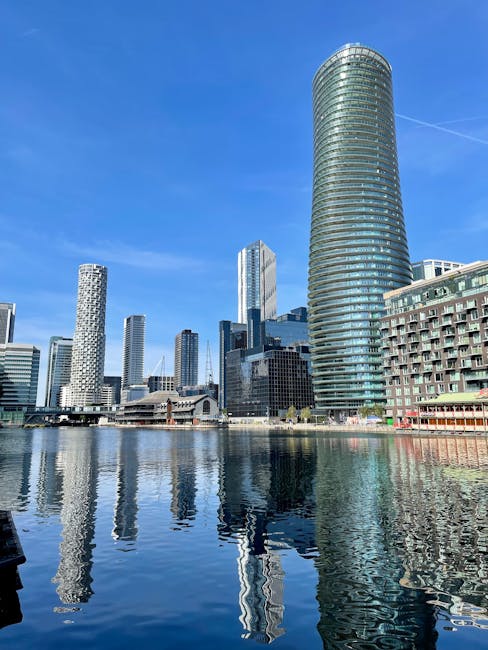
Rubbish clearance Royal Docks Docklands businesses E16: a practical guide for local companies
If you run a business in the Royal Docks or wider Docklands E16 area, rubbish clearance is one of those jobs that quietly affects everything else. Miss it, and the workspace starts to feel cramped, messy, and a bit harder to work in. Get it right, and the place feels calmer, safer, and far more professional. That is especially true in a fast-moving part of East London where offices, retail units, managed buildings, hospitality venues, and trade spaces all operate on tight schedules.
This guide to Rubbish clearance Royal Docks Docklands businesses E16 explains how commercial clearance works, what to expect, where the risks usually are, and how to choose the right approach for your premises. If you are dealing with office clutter, refurbishment waste, old stock, packaging, or general business rubbish, you will find the practical detail here without the fluff.
Why rubbish clearance matters in Royal Docks and Docklands E16
Royal Docks and Docklands are not the kind of places where waste can be left to drift for long. Business units here often sit inside shared buildings, tight loading bays, managed estates, or busy streets where space is at a premium. One skipped clearance can create a domino effect: blocked access, unhappy staff, awkward smell, complaints from neighbours, and a lot of unnecessary stress.
For local businesses, rubbish clearance is not just about tidiness. It affects how smoothly the site operates. A cluttered office makes it harder to move furniture or reset departments. A retail stockroom filled with broken packaging slows down fulfilment. A small contractor's yard packed with offcuts and rubble becomes awkward, and sometimes unsafe. Let's face it, nobody does their best work while stepping over old boxes and tangled plastic wrap.
It also matters because Docklands businesses often work to image-sensitive standards. Clients, residents, tenants, and visitors notice the state of entrances, shared corridors, and service areas. In a place where presentation counts, the difference between "managed" and "messy" can be surprisingly visible.
There is another angle too: responsibility. In the UK, businesses are expected to handle waste properly, store it sensibly, and make sure it goes to the right place. That does not mean every business needs to become a waste expert. It does mean the basics matter. A clear process now saves awkward problems later.
If your business spans multiple needs, it can help to look at the wider service picture too. Many companies combine clearances with other support such as the full services overview or, where relevant, office clearance in Docklands for desk, chair, and equipment removal.
How rubbish clearance Royal Docks Docklands businesses E16 works
Commercial rubbish clearance usually follows a simple flow, even if the job itself looks complicated from the outside. First, the business identifies what needs removing. Then the volume, access, and any special handling requirements are assessed. After that, the waste is collected, sorted, and taken away for appropriate disposal or recycling.
In practical terms, the process often starts with a quick description or site visit. A small office may only need a few bulky items gone. A larger unit might need mixed waste separation, lifting support, or timed access outside trading hours. In busy Docklands premises, scheduling is often as important as the clearance itself. A good team will think about lifts, loading routes, parking constraints, and whether the job has to happen early, late, or between customer peaks.
Mixed waste is common. You might have cardboard, broken fixtures, redundant files, packaging, WEEE items like old monitors, and a few bulky objects all in one pile. That is normal. The important part is sorting it sensibly so recyclable items are separated where possible and anything sensitive is handled carefully.
For some jobs, the right approach is a dedicated service. Builders' debris after a fit-out is very different from routine office clutter, which is why businesses often use specialist support such as builders waste disposal in Docklands or general waste clearance in Docklands.
Here is the simple version: the clearer you are about the waste, the smoother the job goes. Sounds obvious, but you would be surprised how often a clearance starts with "just a few things" and ends with half a van load. Happens all the time.
Key benefits and practical advantages
Good rubbish clearance gives you more than a cleaner room. It gives you back usable space, reduces day-to-day friction, and helps your business feel more in control. In a busy commercial district, that matters.
- Better use of space: old furniture, packaging, and broken items stop sitting around and start making room for work.
- Safer movement: fewer trip hazards, fewer blocked routes, and less risk in storage areas or corridors.
- Cleaner presentation: clients, staff, and visitors see a business that is looked after.
- Less operational drag: teams can move, restock, and clean more easily.
- More efficient handovers: useful for lease ends, refurbishments, and office moves.
- Better recycling outcomes: waste is handled more sensibly when items are sorted properly.
There is also a quieter benefit: peace of mind. When the rubbish is under control, the whole place feels less chaotic. That sounds small, but it changes how people work. Staff are less distracted. Managers are less likely to be chasing little jobs. And visitors do not get the impression that nobody is steering the ship.
If your business needs a broader clear-out, it may help to combine a clearance with related support such as house clearance in Docklands for mixed-use premises, or rubbish removal across Docklands when the job is more routine and straightforward.
Expert summary: In commercial areas like Royal Docks, the best rubbish clearance is not simply the fastest one. It is the one that fits the building, protects access, respects neighbours, and leaves the site genuinely easier to run.
Who this is for and when it makes sense
This kind of clearance is relevant to a wide range of local businesses. The exact need changes from sector to sector, but the pattern is the same: things build up, space gets tight, and action becomes more sensible than delay.
It makes sense for:
- Offices clearing desks, chairs, filing, or old IT equipment
- Retail shops removing packaging, display units, or end-of-line stock
- Hospitality venues dealing with broken furniture, kitchen waste streams, or seasonal turnover
- Contractors and fit-out teams removing rubble, timber, plasterboard, and mixed site waste
- Landlords and managing agents clearing vacant business units between tenants
- Property investors preparing commercial spaces for refurbishment or re-letting
- Small workshops with awkward, bulky, or accumulated material
Sometimes the trigger is obvious. A refit finishes and the debris has to go. A lease ends. A store room becomes unusable. Other times the trigger is softer: staff begin avoiding an area because it is cramped, or the place just feels tired. That is usually your sign.
If you are planning a move or reshuffle in Docklands, it can be useful to think ahead. Articles like buying and selling real estate in Docklands and Docklands property investments are a reminder that premises decisions and waste planning often go hand in hand, especially when a unit is being prepared for market.
Step-by-step guidance
If you want the clearance to go smoothly, do it in a structured way. You do not need to overcomplicate it, but a little planning goes a long way.
- Identify what needs to go. Walk the space and separate general rubbish from reusable items, confidential material, and anything that may need special handling.
- Estimate the volume. A rough idea of bags, boxes, or bulky pieces helps avoid surprises. A tiny office clear-out can become a major one in a hurry.
- Check access constraints. Think about lifts, stairways, loading bays, restricted hours, and nearby parking. Docklands buildings can be elegant, but they are not always simple.
- Flag sensitive materials. Documents, branded stock, and IT equipment should never be treated casually.
- Choose the right service type. Builders' waste, office contents, garden debris, and mixed rubbish may each need a slightly different approach.
- Book a time that fits your operation. Early mornings, quieter trading periods, or end-of-day slots often work best.
- Prepare the site. Clear walkways, label items if needed, and make sure staff know what is staying and what is going.
- Confirm how the waste will be handled. Ask about sorting, recycling, and documentation if your business needs records kept.
A small practical note: if you are dealing with a one-off tidy-up, keep the decision-makers close. The most annoying clearance delays happen when three people think three different things are being removed. Not glamorous, but true.
Expert tips for better results
In our experience, the best commercial clearances are the ones where nobody is scrambling at the last minute. A few simple habits make a big difference.
- Group similar items together. Cardboard with cardboard, furniture with furniture, and hazardous-looking items flagged early.
- Take photos before booking. This helps describe the job accurately and reduces misunderstandings.
- Time the clearance around your busiest periods. If the front desk gets packed at lunch, do not schedule loading for then if you can avoid it.
- Protect common areas. Corridors, lifts, and lobbies should be respected like shared spaces, because they are.
- Keep a record of removed business assets. Useful for internal admin, lease handovers, and simple accountability.
- Ask what happens to reusable items. Even when no formal reuse route is needed, it is good to know how the waste stream is being managed.
One small but helpful habit: keep a "clearance corner" in your business. It can be a storage spot where unwanted items are collected before pickup. That reduces clutter spreading across the whole site. It sounds almost too simple, but it works.
Common mistakes to avoid
Most clearance problems are avoidable. The tricky bit is that the mistakes usually look harmless at first.
- Leaving it too late: the pile grows, the access gets worse, and the job becomes more stressful than it needed to be.
- Underestimating mixed waste: a few boxes often hide a lot of smaller material inside them.
- Ignoring access issues: a van may be fine, but a lift booking or loading restriction can ruin the timing.
- Mixing confidential and general waste: never assume office waste is automatically safe to dump with everything else.
- Forgetting about neighbours or other tenants: in shared buildings, noise and corridor use matter.
- Choosing purely on speed: the quickest option is not always the most suitable, especially for regulated or sensitive waste streams.
There is also a softer mistake: treating clearance as a one-time tidy-up rather than part of ongoing business hygiene. The reality is that waste management works best when it is regular, not heroic. Heroic is tiring. Regular is better.
Tools, resources and recommendations
You do not need a warehouse full of gear to manage business rubbish well, but a few practical tools help.
- Labels or marker pens: useful for separating keep, remove, recycle, and confidential items.
- Dust sheets or corner protectors: helpful if items need moving through finished interiors.
- Heavy-duty bags and boxes: better than overfilled lightweight sacks that split halfway down the corridor.
- Simple inventory sheet: handy for office moves, lease exits, and asset tracking.
- Phone camera: enough for quick site photos, before-and-after checks, and internal records.
For businesses comparing service types, a sensible starting point is the main services overview, then drilling into the specific support you actually need. For example, garden-related waste is better handled differently from desk clearance, so a page like garden waste removal in Docklands is more relevant if your premises include outdoor space or landscaping.
When the job is tied to a particular estate, local context matters too. You may find the blog on rubbish removal on Canary Wharf Estate useful for thinking through managed-building access and timing, while rubbish collection around Limehouse Basin gives a good sense of how local household and mixed-area logistics can shape a clearance plan.
Law, compliance, standards and best practice
Commercial rubbish clearance is not something to wing. Businesses have responsibilities around storing, transferring, and disposing of waste properly, and those responsibilities become more important as volume, sensitivity, and complexity increase. This article is not legal advice, of course, but the practical principle is straightforward: know what you are handing over, know where it is going, and know who is responsible.
Best practice usually includes:
- Separating recyclable material where possible
- Keeping confidential documents secure
- Handling electrical items carefully
- Avoiding illegal dumping or informal disposal routes
- Using a provider that can explain its process clearly
- Maintaining sensible records for business waste movements where needed
For managed buildings, lease terms and building rules can matter as much as general waste practice. Some premises require time slots, specific loading routes, or advance notice. Others are relaxed but still expect common sense and respect for shared areas. The safest approach is to ask before the day, not during the panic.
If your business values trust and process, it can also be reassuring to review the company background, insurance and safety information, and practical admin pages like terms and conditions or payment and security. These pages help you understand how a provider operates before anything is booked.
Options, methods, and comparison
There is more than one way to clear business rubbish, and the right choice depends on volume, urgency, and the type of waste involved.
| Method | Best for | Strengths | Limitations |
|---|---|---|---|
| Manual self-clearance | Very small amounts of safe, light waste | Low upfront cost, simple for tiny jobs | Time-consuming, physically awkward, easy to underestimate effort |
| Scheduled business clearance | Office clear-outs, retail waste, mixed general rubbish | Convenient, scalable, usually better for access planning | Needs a little preparation and coordination |
| Specialist builders' clearance | Refit debris, rubble, timber, construction-related waste | Better suited to heavier, messier material | Not ideal for routine office clutter |
| Segmented clearance by waste type | Businesses with electronics, furniture, and general waste mixed together | More organised, better for compliance and recycling | Takes more planning upfront |
If you are unsure which route to use, ask one simple question: what is the biggest risk if I choose the wrong method? If the answer is "lost time," a flexible general clearance may be enough. If the answer is "unsafe handling" or "access problems," a more tailored service is worth it.
Case study or real-world example
A typical example would be a small Docklands office near a managed development that is preparing for a layout refresh. The team has a few redundant desks, a pile of broken office chairs, several bags of paper waste, and a cupboard of old IT accessories. Nothing dramatic. Just the kind of accumulation that creeps up quietly over six months.
The first challenge is access. The lift has booking rules, the loading area is shared, and staff still need to work during the day. So the clearance is scheduled early, before the office gets busy. The items are grouped beforehand: furniture in one area, paper waste in another, and electronics kept separate. That takes maybe 20 minutes, not a big deal, but it saves a lot of faffing later.
Once the clearance is done, the office does not just look better. The team can move without dodging furniture legs. The storage cupboard becomes usable again. The manager has a clean handover record. And the whole place feels lighter, almost noticeably so. That part is hard to quantify, but you feel it when you walk in. A cleaner site has a calmer rhythm.
That is why businesses in Royal Docks and Docklands tend to benefit from treating rubbish clearance as an operational reset, not a side task. Small problem, big ripple effect.
Practical checklist
Use this checklist before you book or carry out a business clearance in E16.
- Identify exactly what needs removing
- Separate furniture, general rubbish, recyclables, and any sensitive material
- Check building access, lift use, and loading arrangements
- Take photos of larger items or awkward areas
- Estimate the amount of waste as clearly as you can
- Set a realistic collection time that does not clash with peak trading
- Protect shared areas and routes
- Remove or secure confidential documents first
- Confirm how different waste types will be handled
- Keep a short record of what was taken away
- Make sure staff know what should remain on site
- Review the space after clearance so nothing important was missed
If you tick most of those off, the job is usually much smoother. Not perfect, maybe. But smooth enough to stop the usual headaches.
Conclusion
Rubbish clearance for Royal Docks and Docklands businesses in E16 is really about keeping the business moving. It protects space, supports safety, improves presentation, and reduces the low-level friction that clutter creates day after day. Whether you are clearing a small office, a shop back room, a managed unit, or a site after works, the best results come from planning a little, separating waste sensibly, and choosing a method that fits the building as well as the job.
When businesses handle clearance well, the difference is immediate. The air feels clearer. Staff move more easily. The place starts to work properly again. Simple, really, though not always easy. But worth it.
Get a free quote today and see how much you can save.