






Avoid hidden rubbish removal charges in Docklands
Posted on 24/08/2026
If you've ever booked waste clearance and then watched the final bill creep upward, you already know why this topic matters. Hidden rubbish removal charges in Docklands are frustrating because they usually show up at the worst moment: when the van has arrived, the team is waiting, and you're trying to get the job done quickly. The good news? Most surprise costs are avoidable if you know what to look for before anyone lifts a single bag.
This guide breaks down how rubbish removal pricing should work, which fees are fair, which ones are a warning sign, and how to compare quotes without getting lost in jargon. It's written for Docklands homes, flats, offices, landlords, and builders who want clear pricing and less hassle. To make the process easier, we'll also point you to useful pages like pricing and quote information and the broader services overview.
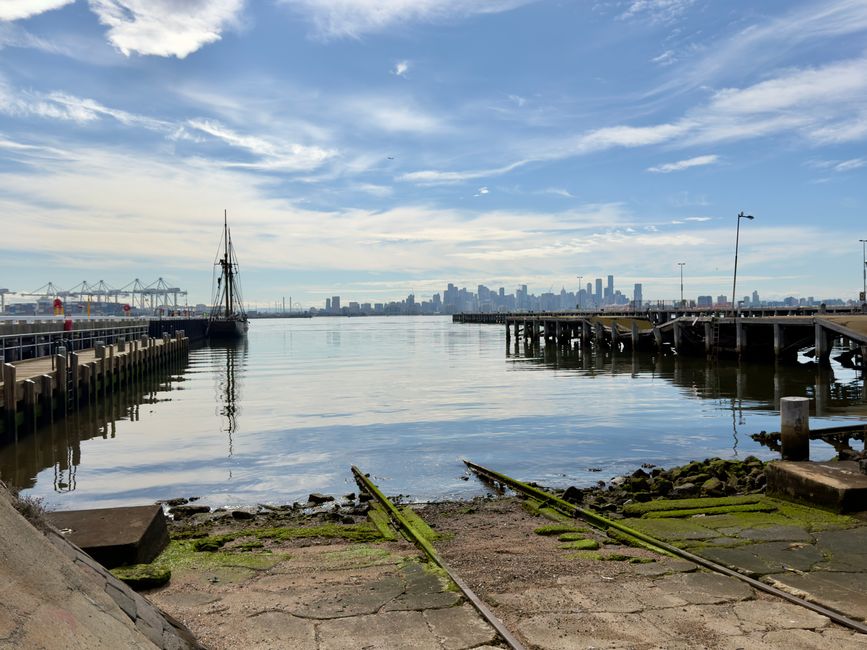
Why Avoid hidden rubbish removal charges in Docklands Matters
Docklands is busy, tightly scheduled, and often property-led. People move fast here. Flats get cleared between tenancies, offices refresh on tight timelines, and renovation waste can pile up in a blink. That pace is exactly why unclear rubbish removal pricing causes trouble.
A quote that looks cheap at first glance can become expensive once extras are added for labour, access issues, heavy lifting, parking delays, certain waste types, or insufficient load estimates. To be fair, some of those costs are legitimate. The problem is not the existence of extra charges; it's the lack of clarity. If a company does not explain pricing properly, you are left guessing. Nobody wants that when the skip of doom, so to speak, is already outside your building.
In Docklands, the risk is even higher because access can be awkward. Underground parking, lift restrictions, concierge rules, loading bays, estate permissions, and narrow time windows can all affect the cost. That does not mean you should expect random add-ons. It means you should ask sharper questions before booking.
When pricing is transparent, you can compare quotes properly, budget accurately, and choose the right level of service. That saves money, yes, but it also saves time and stress. And honestly, that matters just as much.
How Avoid hidden rubbish removal charges in Docklands Works
At its core, avoiding hidden charges is about matching the quote to the actual job. A reliable rubbish removal estimate should reflect what is being taken, how much space it occupies, how difficult it is to remove, and whether any special handling is needed.
Most quotes are built from a few key elements:
- Waste volume - how much rubbish there is, often judged by van load, cubic yardage, or item count.
- Waste type - general household junk is different from builders' rubble, electricals, or heavier materials.
- Access conditions - stairs, lifts, long walks from the property, limited parking, or estate rules.
- Manpower - whether one person can clear it or a two-person or larger team is needed.
- Timing - same-day, out-of-hours, or timed arrival slots can change the price.
- Disposal costs - some waste streams cost more to handle and process responsibly.
The best companies explain these factors upfront. If they ask sensible questions before quoting, that is a good sign. If they just blurt out a suspiciously low number over the phone and promise to "sort it on arrival", tread carefully. That phrase has caused more than a few unhappy faces over the years.
A transparent service will usually give you a quote that is either fixed or clearly scoped with stated conditions. If the price may change, you should know why and by how much. No mystery maths.
Key Benefits and Practical Advantages
There are real advantages to understanding rubbish removal pricing before you book. Some are financial. Some are surprisingly practical.
- Better budgeting - you know what the job is likely to cost before the team arrives.
- Less friction on the day - fewer awkward conversations about "unexpected" extras.
- Faster decisions - once you understand the pricing model, comparing quotes becomes much easier.
- More suitable service selection - you can choose between full clearance, partial load removal, or specialist waste handling.
- Reduced risk of overpaying - you're less likely to accept a vague quote out of convenience.
- Cleaner project planning - especially useful for landlords, estate agents, and business managers working to deadlines.
There's also a quieter benefit: confidence. You stop second-guessing everything. And that's a relief, particularly when you're already dealing with a move, renovation, or office reset.
For customers comparing local options, it can help to review the full range of rubbish removal and clearance services so you understand what level of help is actually included.
Who This Is For and When It Makes Sense
This topic is for anyone in Docklands who wants a fair rubbish removal price and a cleaner booking experience. That includes homeowners, tenants, landlords, letting agents, facilities managers, shop owners, builders, and anyone sorting out a one-off clearance.
It especially makes sense if you are dealing with:
- a flat move with mixed household waste
- a landlord turnover between tenancies
- office furniture or archive disposal
- refurbishment debris after light building work
- garden cuttings or bulky outdoor waste
- an end-of-lease cleanout in a Docklands apartment block
People often assume hidden charges only happen on bigger jobs. Not true. Small jobs can get hit too, especially if the team has to carry items down several floors or if the load is awkward. A single mattress, a broken wardrobe, and a heavy desk can create a more complex job than you'd expect. Funny how that works.
If you are in the middle of a move or sale, you may also find related guidance useful, such as buying and selling real estate in Docklands or the local perspective in a local's guide to Docklands living.
Step-by-Step Guidance
If you want to avoid surprise fees, use a simple process before booking. It does not need to be complicated, but it does need to be thorough.
- List everything that needs removing. Be specific. "Old furniture" is not enough if there is also rubble, paint tins, fridges, or bagged waste mixed in.
- Take photos from different angles. A few clear pictures usually help a provider judge volume and access more accurately.
- Explain access honestly. Mention stairs, lifts, parking restrictions, gate codes, concierge requirements, and any loading limits.
- Ask what the quote includes. Labour, disposal, loading time, congestion considerations, and VAT if applicable should all be clear.
- Ask what could change the price. This is a big one. If the team arrives and discovers more waste than expected, how is that handled?
- Check whether the pricing is fixed or estimated. Fixed quotes are easier to manage. Estimates are fine too, as long as the rules are transparent.
- Get the agreement in writing. Email, text, or booking confirmation can prevent later disputes.
- Confirm arrival expectations. Know whether the team gives a time window, same-day call-ahead, or exact slot.
A small real-world example: someone clears a storage cupboard and thinks it's a one-load job. Then the team finds old underlay, a dismantled bed frame, and several bags of mixed waste. The quote should change if the scope genuinely changes. But if that change was predictable from the start, the issue is not the waste. It's the poor estimate.
That's why good prep matters. It saves everyone the slightly awkward "Oh, actually..." conversation.
Expert Tips for Better Results
Here are the practical habits that usually make the biggest difference.
- Describe waste honestly. Don't call builders' waste "general rubbish" if it includes tiles, plaster, soil, or timber offcuts.
- Separate special items. Appliances, mattresses, paint, and electricals can affect handling and disposal.
- Pre-sort if you can. Sorting recyclable items, reusable items, and mixed rubbish may reduce confusion and speed things up.
- Ask about minimum charges. Small loads can still trigger a minimum booking fee. That's normal, but you should know it.
- Check timing carefully. Same-day collection may be great, but if you are flexible, you may get a cleaner price.
- Be realistic about access. A ground-floor flat with easy parking is very different from a ninth-floor apartment with lift delays.
One of the most useful questions you can ask is: "What would make this price go up?" It sounds simple, but it tends to reveal whether the company is clear, careful, and used to dealing with real jobs rather than theory.
If you are looking for a provider with a broader service range, the pages for house clearance in Docklands, office clearance in Docklands, and builders' waste disposal can help you match the right type of job to the right service.

Common Mistakes to Avoid
A lot of hidden charges are not really hidden. They were just waiting in plain sight, unasked about. Here are the classic slip-ups.
- Only asking for a rough ballpark price. If the quote is too vague, it is hard to challenge later.
- Understating the waste volume. People do this unintentionally all the time. A few extra bags can change the whole job.
- Ignoring access conditions. Parking and carrying distance matter. A lot.
- Assuming all rubbish is treated the same. It isn't. Mixed waste, electrical items, and heavy materials can have different handling requirements.
- Not checking the final invoice against the quote. You should always compare them before paying.
- Booking on speed alone. A quick slot is useful, but a clear quote is usually more valuable.
A small bit of honest advice: if a deal looks unusually cheap, ask yourself why. Is the company efficient, or is the quote incomplete? That question alone can save you a headache later.
Tools, Resources and Recommendations
You do not need specialist software to avoid hidden rubbish removal charges. You do need a few practical tools and a decent habit of gathering information.
- Phone camera - take clear photos of each pile or room.
- Basic list or notes app - write down item types, quantities, and any awkward items.
- Measuring tape - useful for estimating large furniture, builders' debris, or stacked bags.
- Building access details - keep lift codes, loading bay instructions, and concierge notes ready.
- Booking confirmation - save the quote, scope, and any price conditions in one place.
On the website, the most helpful pages to review before booking are the pricing and quotes page, the payment and security page, and the insurance and safety information. Those pages help you understand what a professional setup should look like, without any fluff.
For environmentally aware customers, the recycling and sustainability page is also worth a look. Sometimes the cheapest option is not the best one if it sends you into a vague service maze with no clear disposal standards.
Law, Compliance, Standards and Best Practice
When rubbish is collected professionally in the UK, the important thing is not just price. It is how the waste is handled, transferred, and disposed of. You do not need to be an expert in waste law to ask sensible questions, but you should expect a provider to behave responsibly and explain things clearly.
Best practice usually includes:
- clear written pricing
- honest descriptions of what is and is not included
- proper handling of restricted or specialist waste
- safe loading practices
- reasonable care for property, staff, and residents
- transparent terms if the booking changes
For Docklands residents and businesses, this matters because many sites involve shared spaces, managed buildings, or working environments where safety and courtesy are not optional. A clearance team should work in a way that respects neighbours, common areas, and access rules. That should go without saying, but sometimes it needs saying anyway.
If you want to read the company's own policy pages, the terms and conditions, privacy policy, and about us pages are useful trust signals. They do not replace a good quote, of course, but they do help you judge whether a business is organised and transparent.
Options, Methods, or Comparison Table
There are usually a few ways to handle waste in Docklands. The right choice depends on volume, access, urgency, and how much work you want to do yourself.
| Option | Best for | Pros | Watch-outs |
|---|---|---|---|
| Full rubbish removal service | Mixed waste, bulky items, quick clearances | Fast, labour included, minimal effort for you | Needs clear scope to avoid price changes |
| Partial load or single-load clearance | Smaller clear-outs, a few heavy items | Can be cost-effective if the load is well defined | Minimum charges may still apply |
| Specialist service for builders' waste | Renovation debris, rubble, timber, mixed site waste | Better suited to heavy or awkward materials | Needs accurate item descriptions and access details |
| House or office clearance | Whole-property emptying, end-of-lease jobs | Structured approach, good for larger jobs | More variables if contents are extensive |
If your job has a very specific context, such as a managed estate or business premises, related local guidance can help too. For example, rubbish removal on Canary Wharf estate, rubbish collection in Limehouse Basin households, and rubbish clearance for Royal Docks businesses all speak to the kind of local access issues and expectations that can affect pricing.
Case Study or Real-World Example
Here's a realistic Docklands scenario. A tenant is moving out of a modern apartment and needs old shelving, a broken desk, three black bags of clutter, and one mattress removed. On first glance, it seems straightforward. A simple, tidy job. But the property is on an upper floor, the loading bay is time-restricted, and the lift is shared with other residents.
If those access details are not mentioned upfront, the quote may look fine at first and then change on arrival. That is exactly the kind of situation where hidden charges creep in.
Now compare that with a better approach: the tenant sends photos, explains the floor level, mentions the lift and loading bay rules, and asks whether the quote covers labour and disposal. The provider can then build a more accurate price from the start. No drama. No surprise add-ons. Just a cleaner handover.
That is the whole game, really: not guessing, but informing. Once the quote reflects the true job, there is very little room for awkward surprises.
Practical Checklist
Use this checklist before you confirm any rubbish removal booking in Docklands.
- Have I listed every item or waste pile that needs removing?
- Have I included photos from more than one angle?
- Have I explained access issues, stairs, lifts, parking, and time restrictions?
- Do I know whether the quote is fixed or estimated?
- Have I asked what could change the price?
- Does the quote include labour, loading, disposal, and any relevant fees?
- Have I checked whether special items need separate handling?
- Have I read the terms before booking?
- Do I know how payment works and when it is due?
- Have I saved the confirmation in writing?
If you can tick most of those off, you are in a much stronger position. And if you cannot, slow down a little. A ten-minute pause now can save a lot of bother later.
Conclusion
Avoiding hidden rubbish removal charges in Docklands is not about becoming suspicious of every quote. It is about asking clear questions, giving accurate information, and choosing a provider that explains pricing properly. Once you know what affects the cost, the whole process gets simpler. You can compare services more confidently, plan around access issues, and avoid the small traps that turn a tidy quote into an annoying surprise.
The best results usually come from straightforward communication. Good photos. Honest descriptions. Clear expectations. That's it, really. Nothing fancy, just a sensible approach that works.
Get a free quote today and see how much you can save.
If you are sorting a home, office, or renovation project in Docklands, a transparent waste clearance plan can take a surprising amount of pressure off your shoulders. And that, on a busy day in London, is worth a great deal.



 Tipper Van - Rubbish Collection and Rubbish Removal Prices in Docklands, SE16
 Luton Van - Rubbish Collection and Rubbish Removal Prices in Docklands, SE16